When people think about installing a home security system, they often focus on cameras, alarms, and smart devices. But before choosing any equipment, it’s important to understand what actually makes a security system effective.
Today, modern home security solutions offer much more than just basic protection. From real-time monitoring to mobile alerts, homeowners now have better control over their property than ever before. However, without proper planning, even the most advanced system may not deliver the protection you expect.
Whether you’re securing a small home, a large property, or a growing family space, knowing what to consider before installation can help you avoid costly mistakes and ensure long-term reliability.
Understanding Your Home’s Security Needs
One of the first things to consider is that every home is different. What works for one property may not be suitable for another.
Before installing a system, take time to evaluate your home layout, entry points, and potential vulnerable areas. Doors, windows, garages, and outdoor spaces should all be part of your security plan.
Understanding your specific needs helps you choose the right type of protection instead of relying on a generic setup that may leave gaps in coverage.
Choosing the Right Type of Security System
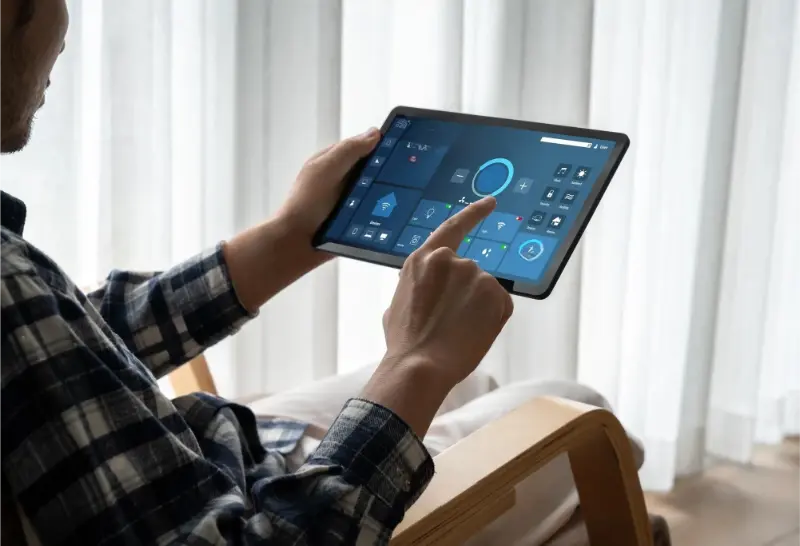
There are many types of home security systems available today, ranging from basic alarm systems to fully integrated smart security setups.
Some systems focus mainly on intrusion detection, while others include cameras, smart locks, and remote monitoring features. Deciding whether you want a simple system or a complete smart home security solution is an important step before making any purchase.
A well-chosen system should match your lifestyle, budget, and long-term plans.
The Importance of Camera Placement
Cameras are one of the most important parts of any security system, but their effectiveness depends heavily on proper placement.
Installing cameras in the wrong locations can leave blind spots and reduce overall security. Key areas to cover include main entrances, driveways, backyards, and any hidden or less visible access points.
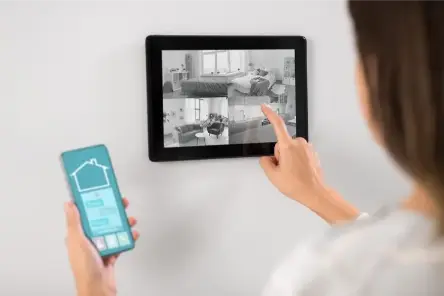
Indoor cameras can also be useful for monitoring hallways, living spaces, or entry areas. Proper placement ensures better visibility and increases the chances of detecting suspicious activity early.
Why Professional Installation Makes a Difference
While many security systems are marketed as easy to install, professional installation can significantly improve system performance.
Experts know where to position cameras, sensors, and alarms for maximum coverage. They can also ensure that all components are properly connected and working together smoothly.
A professionally installed system reduces the risk of technical issues and helps homeowners get the most out of their investment from day one.
Considering Internet Reliability and Connectivity
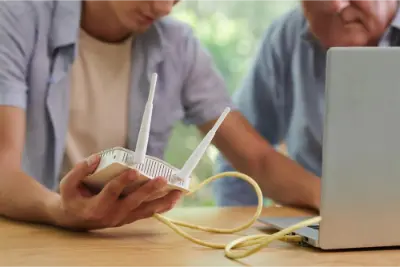
Most modern security systems rely on internet connectivity for real-time monitoring, alerts, and remote access.
A weak or unstable connection can affect how quickly your system responds to potential threats. Before installation, it’s important to make sure your home network is strong and reliable enough to support all connected devices.
In some cases, adding backup connectivity or improving your Wi-Fi coverage can make a big difference in system performance.
Final Thoughts
Installing a home security system is one of the most effective ways to protect your property and your family. However, the success of your system depends on proper planning, the right equipment, and careful installation.
By understanding your needs, choosing the right setup, and ensuring everything is properly installed, you can create a reliable security system that works for your home every day.
With today’s advanced technology, protecting your home has never been easier — but taking the time to plan it properly makes all the difference.
Related Reading From AFTECHS
- Starlink Business vs Amazon Leo: A Certified Installer’s Decision Guide (2026)
- Starlink for RV, Boats, and Fleet Vehicles: What Actually Works in 2026
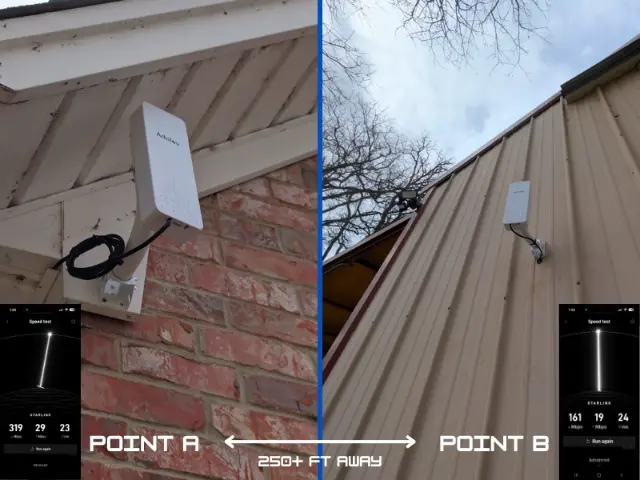
- Point to Point Wireless Bridge: How It Works and Why Businesses Skip the Trench
Explore our full Home Security System Installation service overview.