When people think about upgrading their home, they usually focus on furniture, appliances, or simple renovations. But today, modern smart home automation offers a much more powerful way to improve everyday living by making homes more efficient, comfortable, and easier to manage.
Whether you live in a small house, a growing family home, or a large property, planning a complete home automation system can give you better control over your space no matter where you are. From automated lighting to intelligent climate control, today’s technology has completely changed how homeowners interact with their homes.
Why More Homeowners Are Investing in Smart Automation
Over the last few years, more homeowners have started upgrading their houses with smarter and more connected systems. The reason is simple — people want convenience and efficiency in their daily routines.
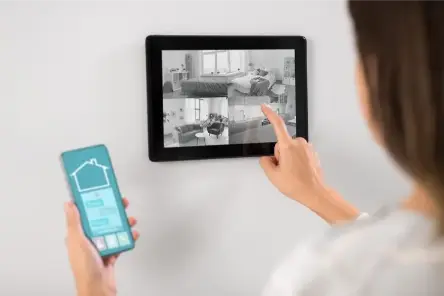
Modern home automation systems are no longer complicated or difficult to use. Many setups now connect directly to your smartphone, allowing you to control different parts of your home while at work, traveling, or even just relaxing in another room.
Instead of manually adjusting lights, temperature, or appliances, everything can be managed with just a few taps or even automatically.
Some of the biggest benefits include:
Automated control of lighting, temperature, and appliances
Remote access from mobile devices
Improved home security and monitoring
Energy savings through efficient system use
Increased property value
Better comfort and convenience for everyday living
For many homeowners, installing a smart home system is no longer considered a luxury. It has become a practical way to improve how a home functions every day.
Smart Technology Is Changing Modern Homes
The days of manually controlling everything inside your home are quickly fading. Today’s smart home technology combines automation with intelligent systems to create a more responsive and connected living environment.
With modern smart devices, homeowners can automatically adjust lighting, control room temperatures, monitor their home remotely, and even manage appliances without being physically present.
Many newer systems also work together as part of a single connected network. This means your lighting, security, climate control, and entertainment systems can all communicate with each other to create a seamless experience.
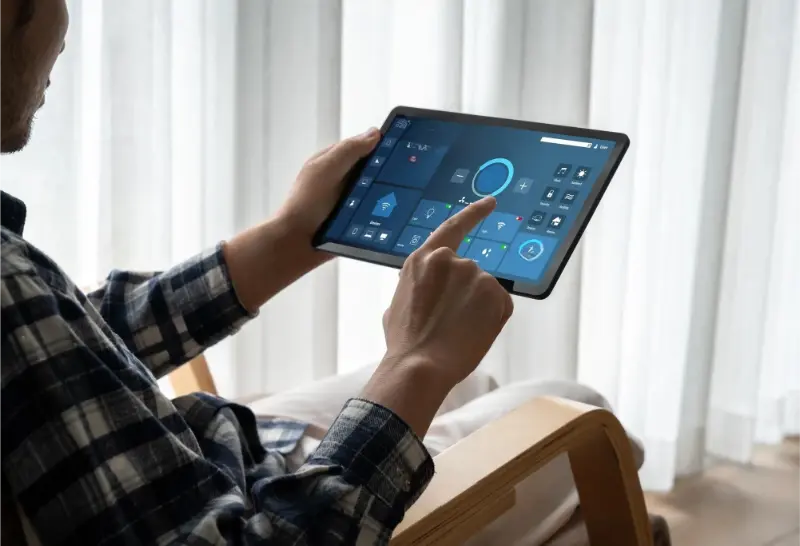
The convenience is one of the biggest reasons people invest in smart automation. Instead of managing multiple devices separately, everything can be controlled from one app or system.
Planning Your Smart Home the Right Way
One of the most important steps in building a smart home is proper planning. Buying devices without a clear plan can lead to compatibility issues and unnecessary expenses.
Homeowners should start by thinking about their daily routines and identifying areas where automation can make the biggest impact. This could include lighting schedules, temperature control, or security monitoring.
A well-planned system ensures that all devices work together smoothly and efficiently from the beginning.
Choosing the Right Smart Home Setup
Every home is different, which means there is no one-size-fits-all solution. Some homeowners may only need basic automation, while others may want a fully integrated system that covers the entire property.
A complete smart home setup usually includes:
Smart lighting systems
Automated climate control
Security cameras and smart locks
Motion and environmental sensors
Smart plugs and appliance control
Mobile access and monitoring
Choosing the right combination depends on your needs, budget, and the size of your property.
Why a Strong Network Matters
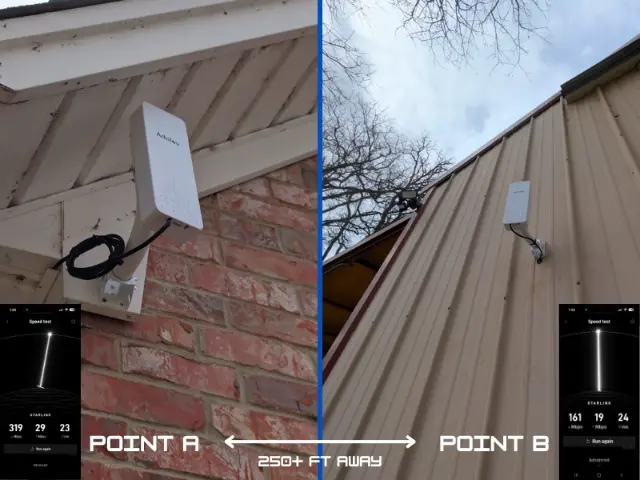
A smart home depends heavily on a reliable internet connection. Without a stable network, even the best devices may not perform properly.
A strong and consistent connection ensures faster response times, better device communication, and fewer interruptions. Investing in a good Wi-Fi system is essential for maintaining a smooth and reliable smart home experience.
The Importance of Automation Over Manual Control
Many people think smart homes are all about controlling devices using their phones. However, the real advantage comes from automation.
Instead of constantly giving commands, a smart home can adjust automatically based on your habits and schedules. Lights can turn on when you enter a room, air conditioning can adjust throughout the day, and doors can lock automatically at night.
This level of automation reduces effort and makes everyday living more convenient.
Planning for Future Expansion
Technology continues to evolve, and your smart home should be able to grow with it. Planning ahead allows you to add more devices and features over time without needing to rebuild your system.
Future upgrades may include smart appliances, solar energy systems, electric vehicle charging, or more advanced automation features.
A flexible system ensures your home stays modern and functional for years to come.
The Growing Demand for Smart Homes
As technology becomes more advanced and accessible, more homeowners are choosing to invest in smart automation systems.
Modern smart homes are designed to be simple, efficient, and user-friendly. Whether you want basic automation or a fully connected system, there are solutions available for every type of home.
From intelligent lighting to complete home control systems, today’s technology offers far more than simple convenience.
The goal is simple — to make homes more comfortable, efficient, and easier to manage every day.
Final Thoughts
Planning a whole-home smart automation system in 2026 is one of the smartest investments a homeowner can make. A well-designed system improves daily living, increases efficiency, and provides better control over your home.
Whether you are starting small or building a fully automated setup, modern technology now makes it easier than ever to create a connected and intelligent living space.
From smart lighting to advanced home automation systems, choosing the right setup can make a big difference in how your home works for you now and in the future.
Related Reading From AFTECHS
- Starlink Business vs Amazon Leo: A Certified Installer’s Decision Guide (2026)
- Starlink for RV, Boats, and Fleet Vehicles: What Actually Works in 2026
- Point to Point Wireless Bridge: How It Works and Why Businesses Skip the Trench
Explore our full Smart Home Automation Installation service overview.